


2025 - Bridging Public and Private Interests in Megaprojects: Practical and Theoretical Implications
keynote speakers: Lavagnon Ika e Martina Heumann

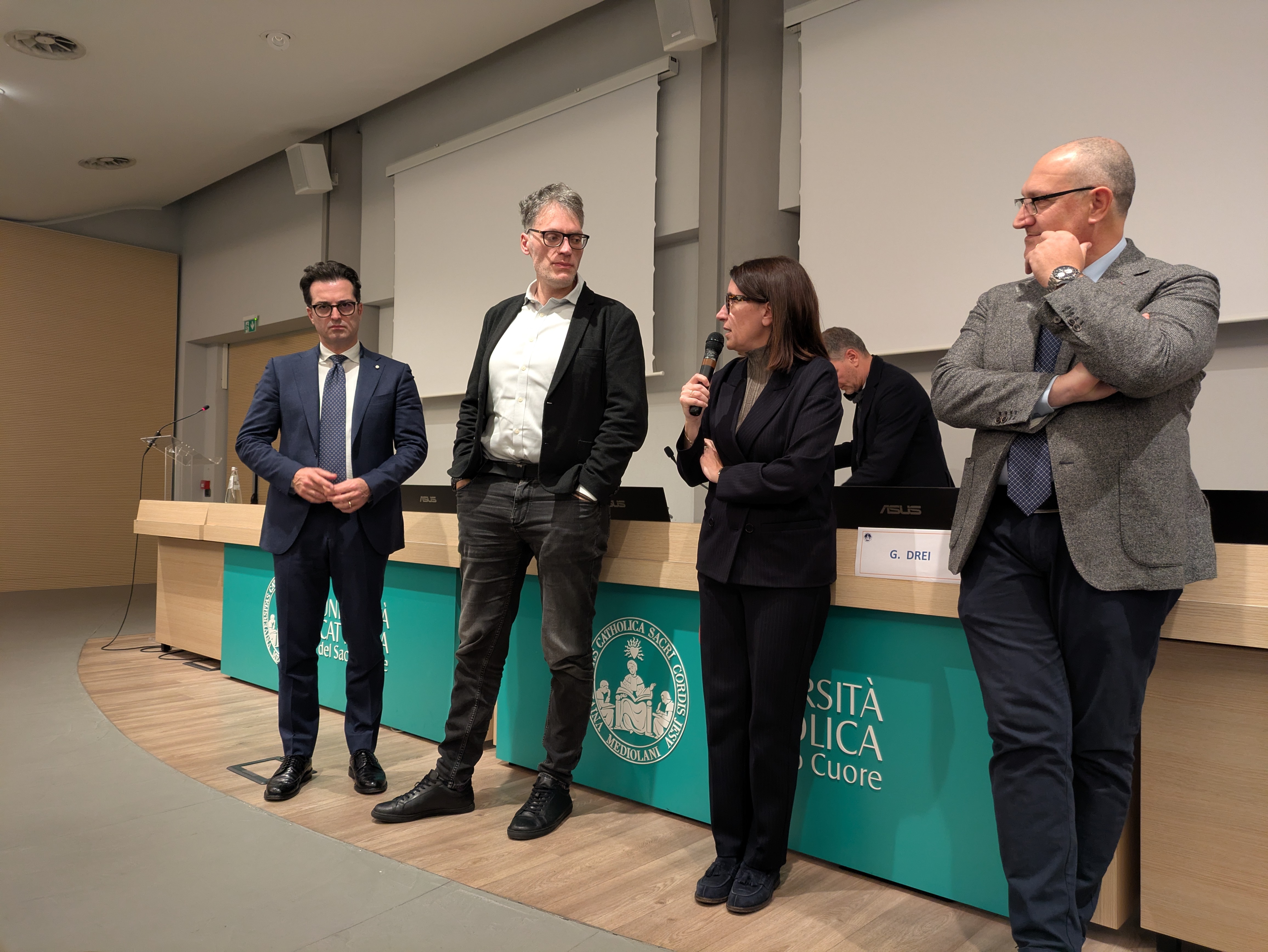
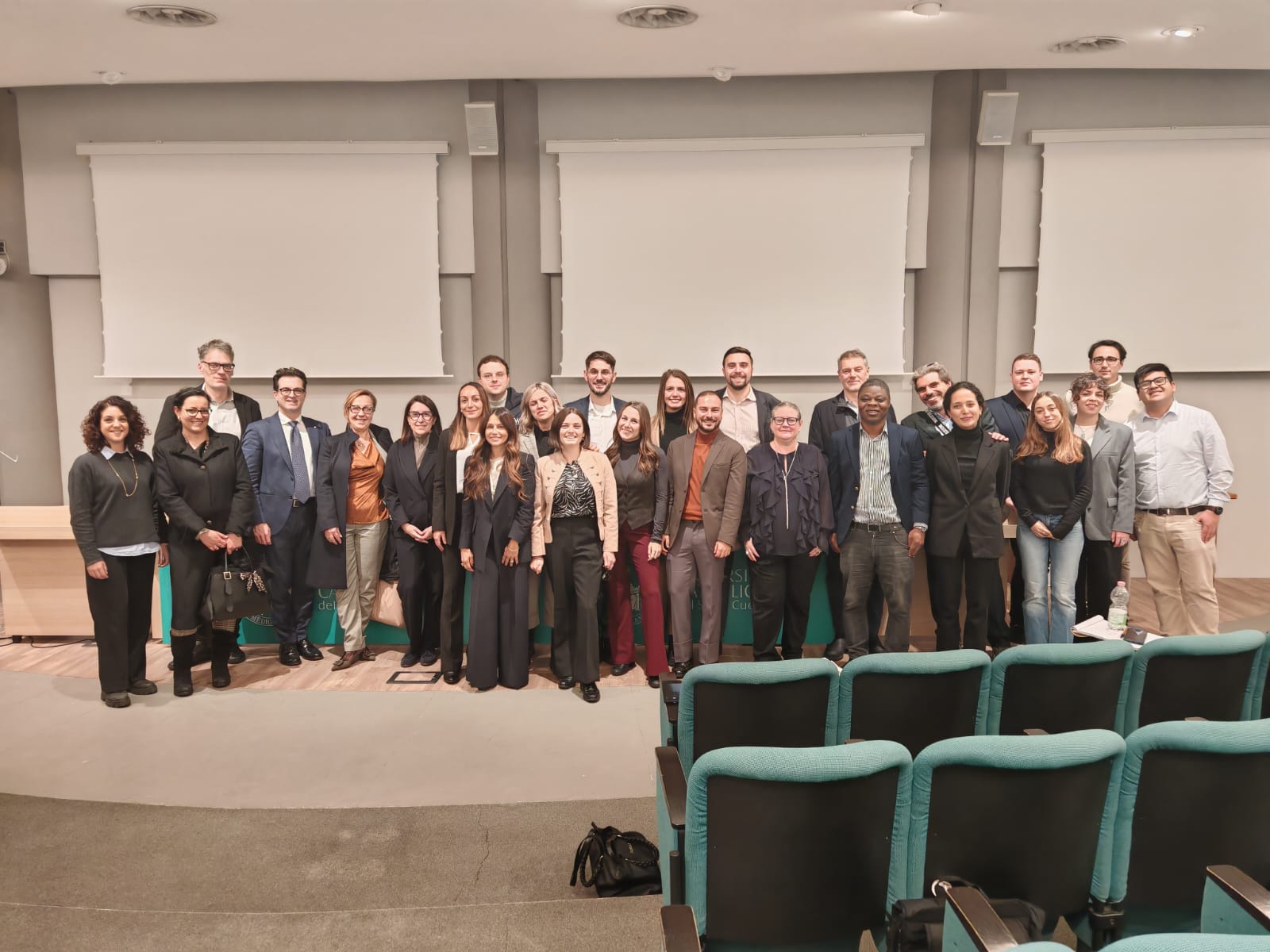
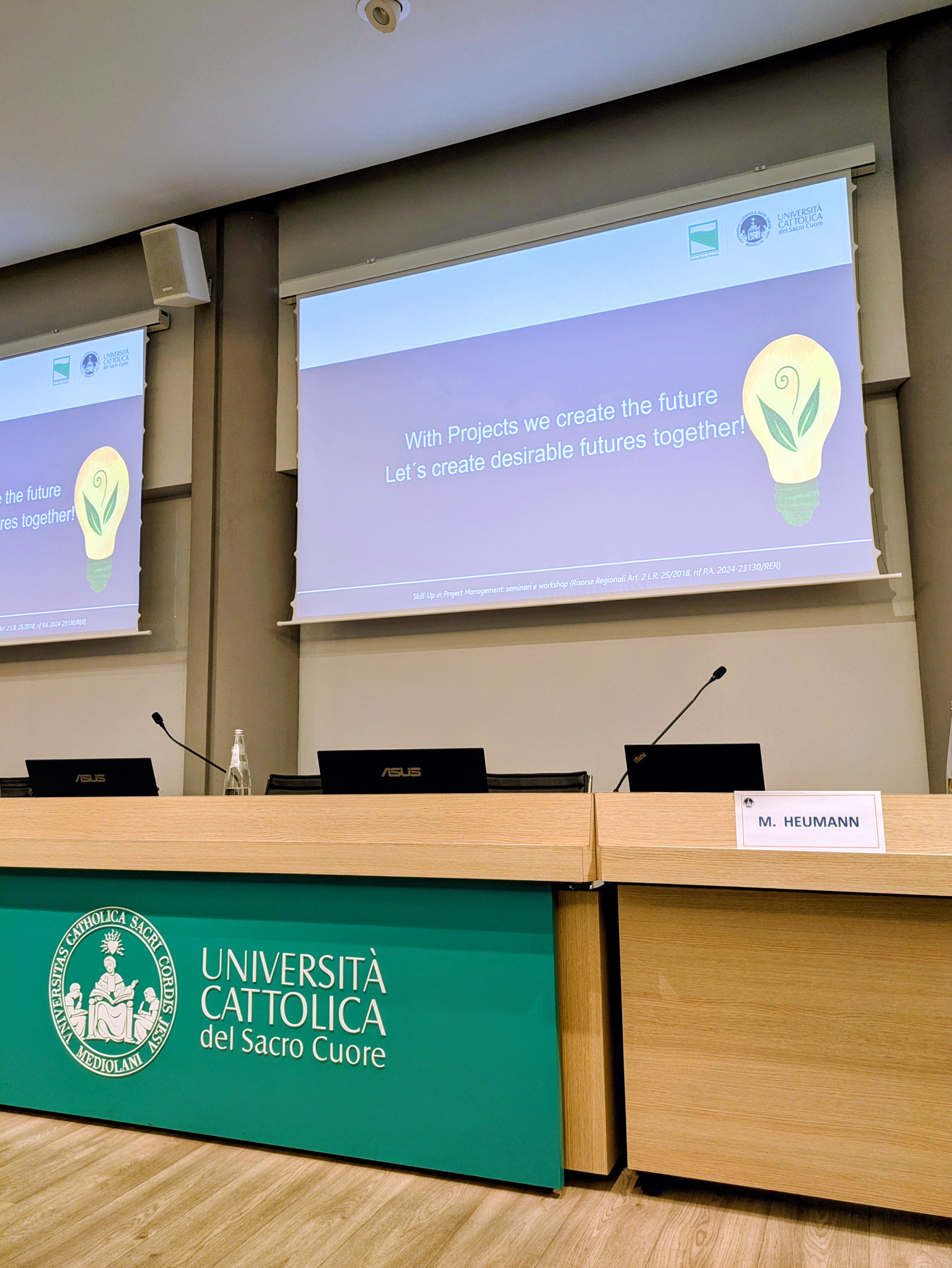
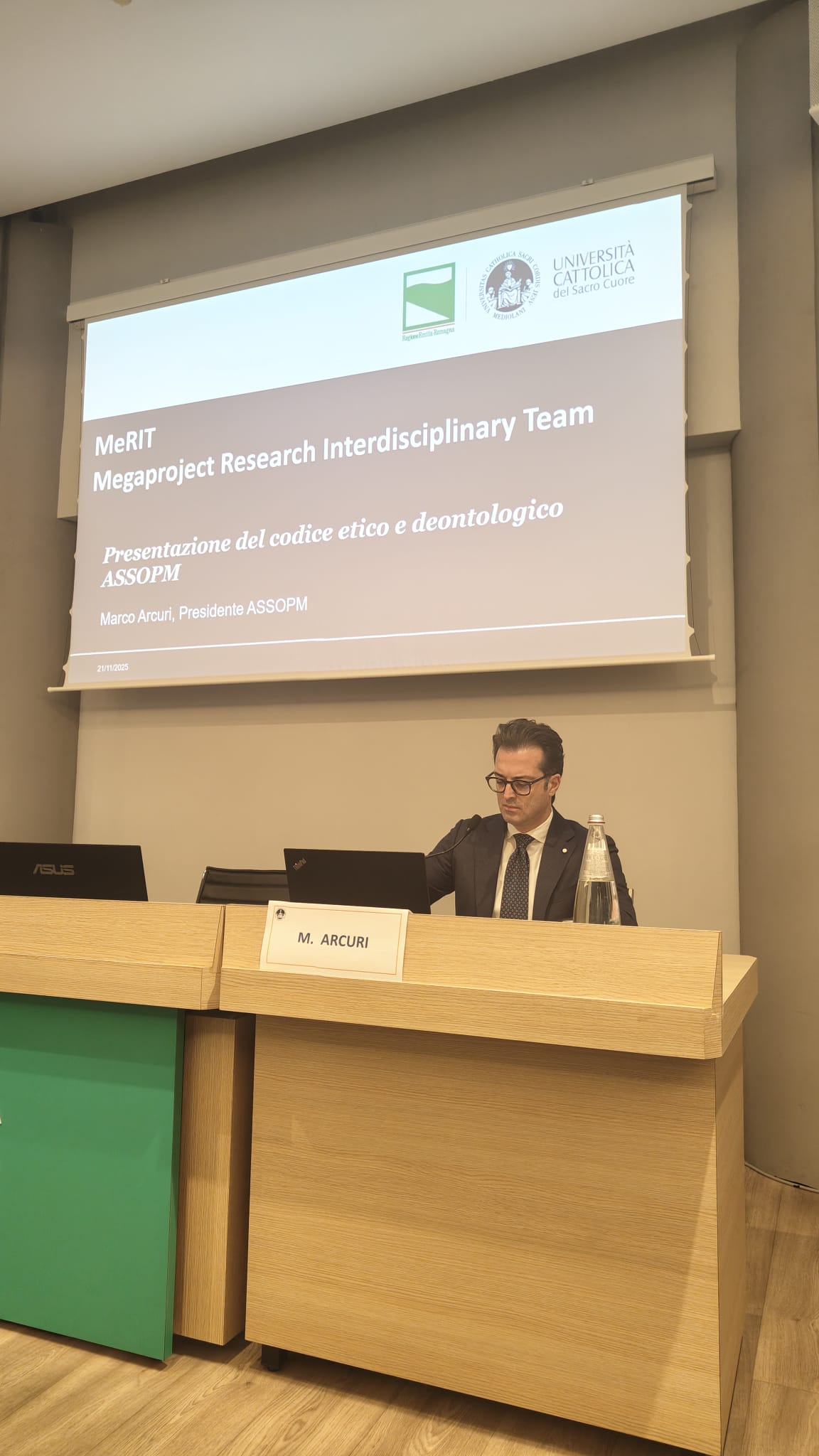
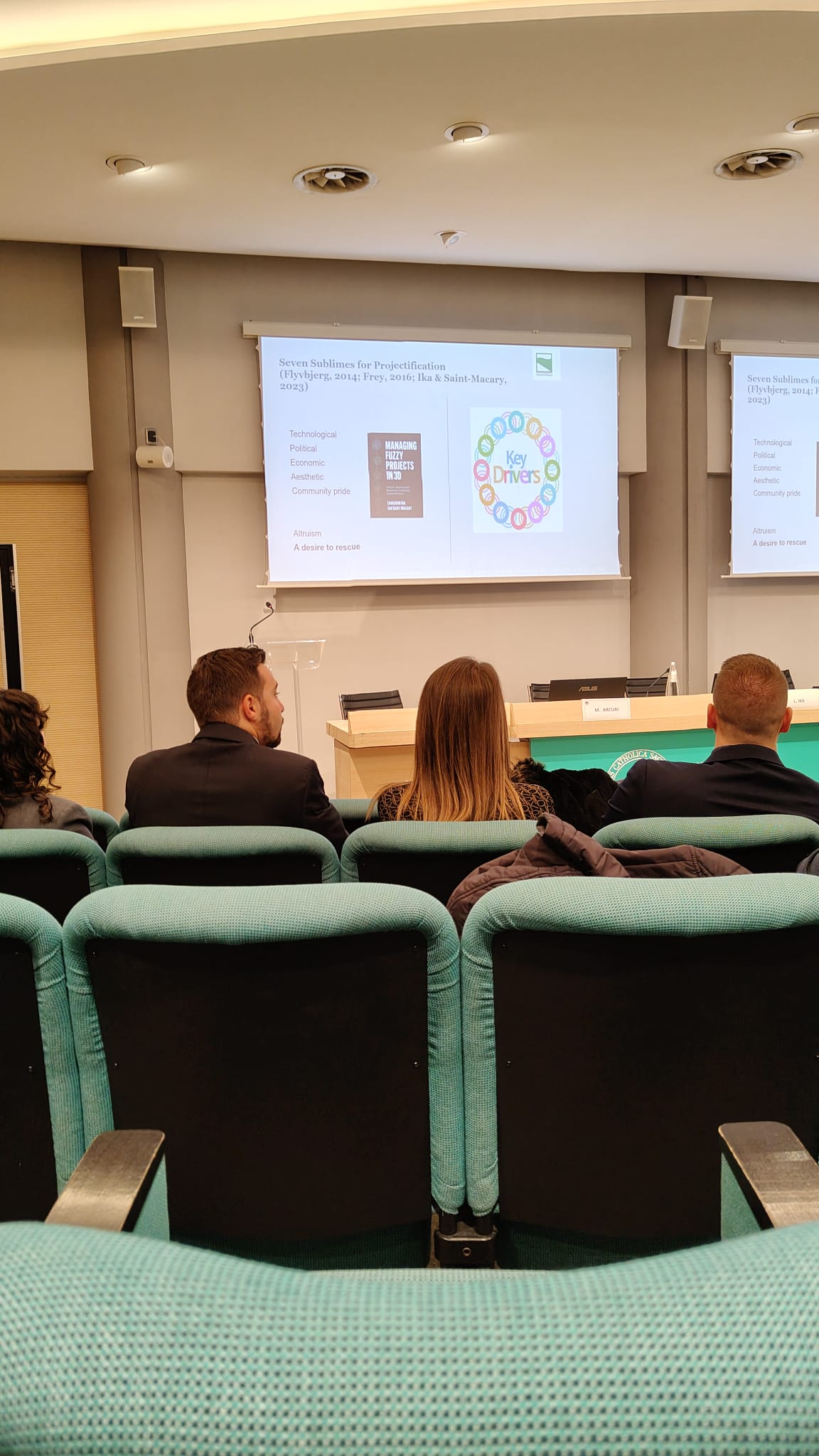
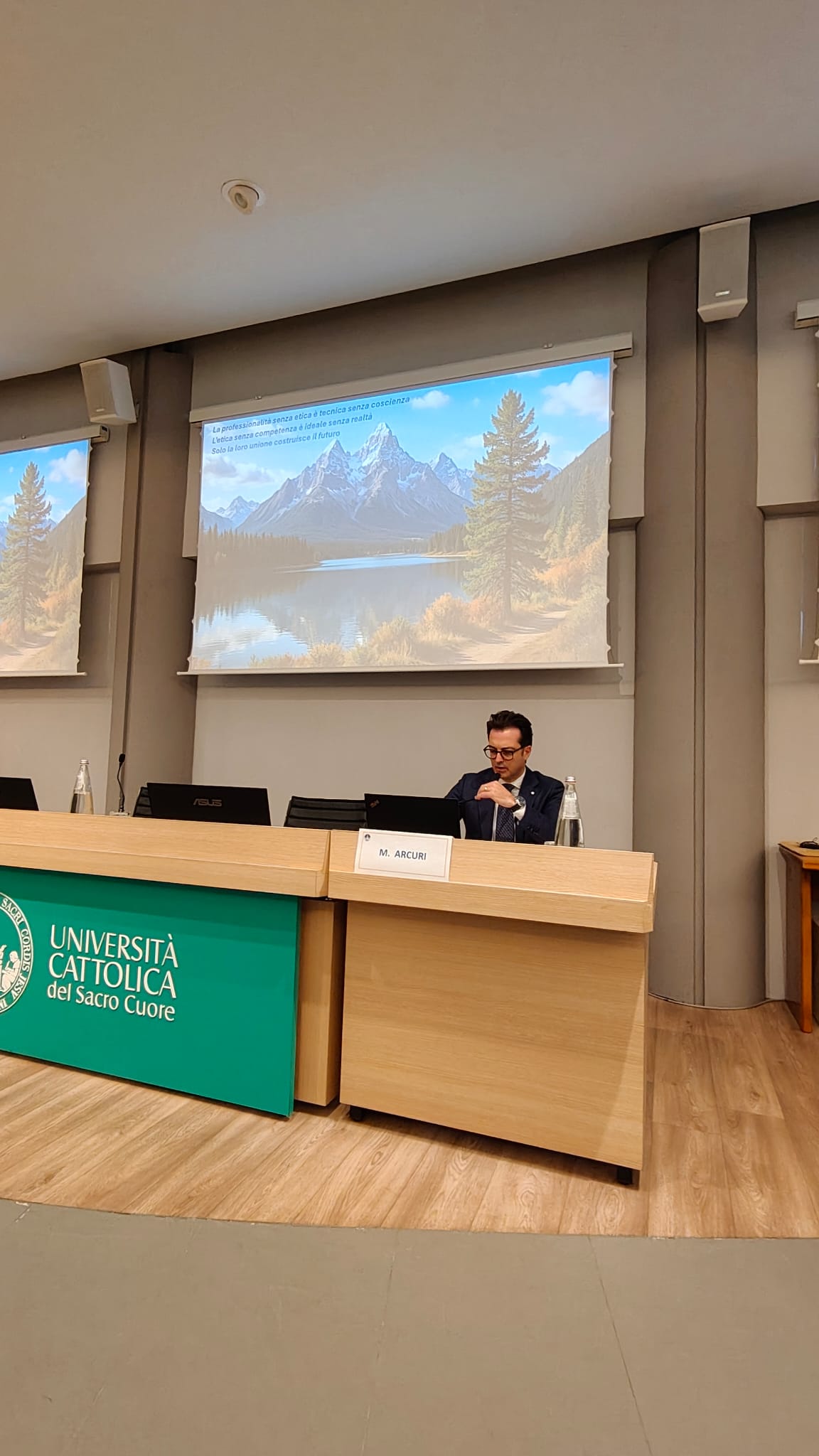


The workshop “A multidisciplinary approach to embrace complexity and sustainability in Megaprojects” – designed and created in collaboration between the Merit research team (Politecnico di Milano and Università Cattolica) is aimed to bring together experts – both academics and professionals – with different backgrounds and perspectives to open a debate and a multidisciplinary discussion on megaprojects.
2025 edition of MeRIT workshop “fil rouge” is about the innovative strategies and practices that Project Management Community has developed in response to recent major disruptions and context evolutions.
The Merit Conference 2025 is funded with regional resources pursuant to Regional Law No. 25/2018, Art. 2, Ref. P.A. 2024-23130/RER (CUP: J34E24000210002). The initiative has been formally approved by the Regional Administration.
Merit Conference 2025 è finanziata con risorse regionali ai sensi della Legge Regionale n. 25/2018, art. 2, rif. P.A. 2024-23130/RER (CUP: J34E24000210002). L’iniziativa è stata formalmente approvata dall’Amministrazione Regionale.
Participation in the event is free of charge, with mandatory online registration.
Specialists from both academia and industry are invited to share their expertise in:
- Project and program management
- Stakeholder management
- Megaprojects policy, legislation, and contract management
- Megaprojects setting and organizational configuration
- Risk Management
- Megaproject governance
- Sustainability in megaprojects management
- Megaprojects governance
- Megaprojects’ people development
- Artificial Intelligence techniques in megaproject planning and monitoring
- Megaprojects and society relations
Participants will have the opportunity to:
- Attend plenary sessions
- Present papers and case studiesto be later revised for indexed publications
- Actively participate in round tables with the focus on different project management solution application
Patronage


Skill-Up in Project Management: seminari e workshop (Risorse Regionali Art. 2 L.R. 25/2018, rif P.A. 2024-23130/RER)
Programme
Bridging Public and Private Interests in Megaprojects: Practical and Theoretical Implications
Day 1
Thursday, November 20th, 2025
9:00-9:30 – Registration
9:30-9:45 – Welcome
9:45-10:45 – Keynote – Lavagnon Ika – Full Professor of Project Management Telfer School of Management (Ottawa) - Project Management and Public Administration: Reconciling Project Success and Public Value
10:45-11:15 – Coffee Break
11:15-12:30 – Paper Presentations
11:15 - 12:30 – Parallel session, track chair: Francesco Di Maddaloni (Room 13)
Araja Aliaga - Holacracy and project management: Are flat organizations the new normal for project managers?
Arcuri, Cantoni, Di Nauta - Dynamics of stakeholder relationships in megaprojects across the project management life cycle: multi-level governance and multi-actor relations
Malatesta, Mancini - AI-enabled Contractual Knowledge and Risk Governance in EPC Projects: A conceptual framework and Research agenda
Marini, Minelli - The mega-project of science as multilevel governance: the case of Italian individual performance indicators (ANS)
11:15- 12:30 – Parallel session, track chair: Primiano Di Nauta (Room 15)
Mariani, Araja Aliaga, Atencio, Mancini - Designing transitions through projects: the Project Transition Canvas as a tool for systemic change
Zecchin - Bridging Environmental Protection and Profit Corporate Interests in Megaprojects: Any Changes Following the EU Directive 2024/1760?
Barabaschi, Rizzi - Public–Private Partnerships in the Logistics Sector: Reflections from a Local Case Study
Cellerino, Rokio, Jungwirth, Mancini - Bridging Public and Private Interests through Social Impact in Megaprojects
12:30-13:30 – Lunch at Residenza Gasparini - Il Fienile
13:30-14:30 – Paper Presentations
13:30 - 14:30 – Parallel session, track chair: Erik Humberto Araja Aliaga (Room 13)
Micozzi, Montefusco - Ultra-broadband Megaprojects. Project Management as a Methodology to Minimize Project Risk
Grossi - The Hainan Medical-Tourism Megaproject, China
Purpura - Current and Prospective Tax Measures to attract Megaprojects to Italy
Iovino, Franco, Armenia, Di Nauta - Systemic bottom-up approach to Project Management for a sustainable Project Governance
13:30 - 14:30 – Parallel session, track chair: Franca Cantoni (Room 15 – authors only on line)
Zhang - Co-creation or Co-destruction? A Co-evolutionary Framework for Dynamism in Stakeholder Engagement
Zhao - Creating Value by Projects for Society: A systematic literature review
Caccialanza, De Nito, Canonico - Sustainability Disclosure, Stakeholders, and Legacy in Olympic Games: A Preliminary Comparative Assessment of Milano Cortina 2026 and Torino 2006
Yichen, Mariani, Mancini - Generation of Project Portfolio Benefits: Linking Activities to Particularized Benefits
14:30-15:00 – Francesca Pupparo, ASSOPM board member, Presentation of the National Observatory ASSOPM (italian language)
15:00-16:15 – Roudtable: Filling the gaps between public and private interest in megaprojects management: the PA's perspective - Chair: Marco Arcuri, ASSOPM President (italian language)
- Primiano Di Nauta, Università degli studi di Foggia, Full Professor of Business Organization
- Federico Fioravanti, Psicologo del lavoro e delle organizzazioni
- Paolo Micozzi, Ministero dell’Università e della Ricerca, Executive
- Daniele Ricciardi, ASSORUP, President
- 16:15-16:45 – Coffee Break
16:45-18:00 – Giuseppe Sassano, Senior Consultant, Oxford Global Projects - Reference Class Forecasting (MASTERCLASS per practitioners, italian language)
18:15 – Guided Visit at Galleria Alberoni
20:15 – Standing Buffet Dinner - Grande Albergo Roma Terrace
Day 2
Friday, November 21st, 2025
9:30-9:45 – Welcome
9:45-10:45 – Personal and interpersonal skills in megaprojects management:
- Luigi Vanore, CEO A4PM - Team Management and value creation in magaprojects: integrating public and private interest for a collaborative governance (Italian language)
- Federico Fioravanti, Psicologo del lavoro e delle organizzazioni - Mega leadership for megaprojects? Sustaining a systemic approach to the public/private interests convergence (Italian language)
10:45-11:15 – Coffee Break
11:15-11:45 – Presentation of the ASSOPM Code of Ethics and Professional Conduct (in italian language)
11:45-13:00 – Roudtable: Fillin g the gap between public and provate interests in megaprojects: ethical aspects (in italian language)- Chair: Marco Arcuri, presidente ASSOPM
- Michelangelo Anderlini, Biopap, President
- Giovanni Colombo, Transparency International Italia, Head of Business Integrity Forum
- Davide D’Arcangelo, Public Innovation Manager, President
- Lucia De Grimani, CNA Impresa Donna Roma, President
- Massimo Folador, entrepreneur, writer, consultant and trainer of Business Ethics
13:00-14:00 – Lunch at Foyer (beside Sala Piana)
14:00-15:00 – Martina Heumann, Full Professor of Project Management, University College London / WU Vienna – From purpose to impact : Reconciling Public and Private Interests in Megaprojects
15:00-16:15 – Carolina Cirillo, Director of the Department of Service Quality Monitoring and Institutional Communication, Roma Capitale – Evolution of the governance system of the relationship with the citizen: from call center to a digital citizen service (italian language)
16:15-17:00 – Giulio Drei, Value Group, Lab “AI and Megaprojects” – AI-powered megaproject management
17:00-17:15 – Goodbye and awards
REGISTRATION
Please click here to register for the conference
Registration deadline: 16 November 2025
CALL FOR PAPER
Bridging Public and Private Interests in Megaprojects: Practical and Theoretical Implications
Introduction
We are pleased to announce the Call for Papers for the upcoming MeRIT conference dedicated to exploring the theme of "Bridging Public and Private Interests in Megaprojects: Practical and Theoretical Implications". This conference aims to bring together researchers, practitioners, policymakers, and industry experts to share insights, exchange ideas, and discuss the transformative potential of megaprojects in harmonizing Business/Government interactions in Megaprojects.
Background
Projects are often ‘agents of changes’ and pivotal to driving the innovation and development required to boost economies and social welfare (Locatelli et al., 2023). As such, while projects as vehicles for change play a crucial role in society (Marcelino-Sádaba et al., 2015), project management research has increasingly investigated how, in the last two decades, projects contributed to change (Huemann & Silvius, 2017; Silvius & Schipper, 2014).
With their potential to address pressing global challenges, megaprojects foster opportunity to create and distribute value (Gil & Fu, 2022; Gil, 2023). Megaprojects, characterized by their large-scale, capital-intensive nature and significant societal impact, are human-designed social tools that have become increasingly prevalent in various domains such as infrastructure development, urban planning, transportation, energy, defense, and technology to produce science (Cerić et al., 2021; Schindler et al., 2019; Söderlund et al., 2017; Miller & Lessard, 2000). These project-based enterprises can create positive change in the social, economic, environmental, technological, and political sphere, while attending to constraints on planetary resources and other grand societal challenges (Drouin & Turner, 2022).
However, despite their popularity, megaprojects entail fundamental challenges, especially as they require intense collaboration and coordination among actors from various sectors and institutional domains with disparate interests, professional identities, and organizational procedures (Stjerne et al. 2019; O’Mahony & Bechky, 2008). It has been known for a long time that interorganizational collaboration in complex projects often takes place in the form of meta-organizations whereby multiple actors cooperate on joint outcomes (Gulati et al., 2012) in structures with distinct features of temporary organizing (Bakker et al., 2016; Bakker, 2010) and multi-level configuration of supply chains and relationships (Stefano et al., 2023).
One type of collaborative arrangements are collaborations between organizations from at least two different societal sectors (i.e., business, government, and nonprofit) that work together in the strive for economic, social, and environmental welfare (Vogel et al., 2021). These collaborations across organizational and sectoral lines can range from dyads to multiparty arrangements, local to global levels, short to long time frames, and totally voluntary or fully mandated. Nonetheless, these result necessary and desirable to tackle large scale, persistent problems that seem impossible without collaborations or partnerships among organizations (Page et al., 2015).
Different scholars in project management have highlighted how interorganizational projects, in which multiple organizations work jointly on a shared activity for a limited period of time, are increasingly used to coordinate complex products/services in uncertain and competitive environments (Davies, 2017). However, these actors are immersed in diverse permanent and temporal structures from which they draw when performing their daily work (Orlikowski & Yates, 2002). Nonetheless, although organizations in every sector face changing pressures and evolving public expectations that encourage them to interact with other sectors, when actors from different sectors focus on the same issue, they are likely to think about it differently, to be motivated by different goals, and to use different approaches (Selsky & Parker, 2005).
Despite high public and private expectations, the performance of megaprojects is far from being optimal (Denicol et al., 2020; Flyvbjerg, 2014; Juarez Cornelio et al., 2021), prompting critical consideration of alternatives to megaprojects (Brunet, 2025). Emerging thinking also raises fundamental questions about the “megaproject governance trap” (Gil & Beckam, 2025), and how the governance of megaprojects can be reconciled with the management of supply chains and stakeholders (Brunet, 2021), while upholding norms that define ‘success’ as the ability to stay on target and address pressing local and global needs (Di Maddaloni & Sabini, 2022). Therefore, among the tensions investigated and challenges within megaprojects, are those caused by differing public and private interests. As such, this conference seeks to explore new divisions of responsibility between the public and private actors in megaprojects, their governance interactions at the national and local level, and how these interactions can be devised to bring about a better future including resilience, equality and well-being of people and planet.
While public-private partnerships (PPPs) are often the preferred delivery model for infrastructure development and megaproject delivery (e.g., Tang et al., 2010; Selsky & Parker, 2010; Zheng et al., 2020), they have also been contested for nearly as long as they have existed (Bovaird, 2004). As such, researchers have noted that business-government interactions require and shape new forms of governance (Davis, 2021; Gil and Pinto, 2018; Gond, et al., 2011; Kourula et al., 2019) to explain the contexts, contingencies, and impacts of these renewed relationships, specifically in the context of megaprojects more comprehensively. As the fracture between public and private interests might lead to a poor legacy for the megaproject (Di Maddaloni et al., 2025), too often the role of government is simply ignored (Knudsen & Moon, 2022). This is evident in the stakeholder view from its emergence to contemporary manifestations (e.g., Freeman, et al., 2023) which barely recognizes government, and in which public and private are treated as separate worlds.
Conference Themes
The conference seeks contributions from researchers and practitioners across diverse disciplines (Organization, sociology, law, public administration, marketing, engineering, etc.) and sectors of economic production (public, private, nonprofit), with a focus on the when/where/how/under which conditions business-government interactions might effectively work in serving the purpose of megaprojects and to achieve their full potential. The possible questions include, but are not limited to:
Questions about business actors
1. How can project organizations best support public governance for improved megaproject outcomes?
2. Do business interactions with non-democratic governments have different dynamics and implications for megaprojects?
3. What role can be played by different corporate governance systems in creating for positive interactions with government?
Questions about government actors
4. How can public actors enable efficient and effective business contributions to megaprojects?
5. When and how is government regulation impacting either positively or negatively the performance of megaprojects?
6. What government actions are required to facilitate private investments and megaprojects positive outcomes?
7. How local governments and public administration contributes to the planning, delivery, and long-term benefits of megaprojects?
8. How does global economic turmoil affect the performance and delivery of megaprojects, and what strategic governmental interventions are necessary to ensure their successful execution?
9. How are megaprojects adapting to global economic crises, and what government responses have proven most effective across different contexts?
Questions about all governance actors
10. What processes, metrics, labels, and standards enable government-business interactions for megaproject delivery issues?
11. How are these actors motivated and equipped to address the challenges of multi-level and multi-actor relationships and governance in megaprojects?
12. How do public regulation and private authority interact differently across countries or regional contexts, including the Global South?
13. To what extent does global economic disruption challenge the viability of megaprojects, and how can both businesses and governments recalibrate their roles to mitigate risk and improve outcomes?
Selected papers (minimum of 4500 words), presented by authors during the workshop, will have the opportunity to be published by an international publisher (e.g., Springer) Scopus and WoS indexed.
Publishing Opportunities and Dissemination
- Full Papers:
The review committee will invite the authors of the best papers to expand their work into a full article (8,000–10,000 words) and submit it to a fast-track review process for the International Journal of Managing Projects in Business, one of the world’s leading journals in project management.
- Short papers:
Selected papers (minimum of 4,500 words), presented by authors during the workshop, will have the opportunity to be published by an international publisher (Scopus and WoS indexed).
References
Bakker, R.M. (2010). Taking stock of temporary organizational forms: A systematic review and research agenda. International Journal of Management Reviews 12(4): 466-486.
Bakker, R.M., DeFillippi, R.J., Schwab, A. (2016) Temporary organizing: Promises, processes, problems. Organization Studies 37(12): 1703-1719.
Bovaird, T. (2004). Public–private partnerships: from contested concepts to prevalent practice. International review of administrative sciences, 70(2), pp.199-215.
Brunet, M. (2025). Considering alternatives to megaprojects for a sustainable future with degrowth principles. International Journal of Project Management, 43(3), p.102705.
Brunet, M. (2021) ‘Making sense of a governance framework for megaprojects: The challenge of finding equilibrium’, International Journal of Project Management, 39(4), pp. 406–416. Available at: https://doi.org/10.1016/j.ijproman.2020.09.001.
Cerić, A. et al. (2021) ‘Trust in megaprojects: A comprehensive literature review of research trends’, International Journal of Project Management, 39(4), pp. 325–338. Available at: https://doi.org/10.1016/j.ijproman.2020.10.007.
Davies, A. (2017) Projects: A Very Short Introduction. Oxford University Press
Davis, G. F. (2021). ‘Corporate Purpose Needs Democracy’. Journal of Management Studies, 58, 902–13.
Denicol, J., Davies, A. and Krystallis, I. (2020) ‘What Are the Causes and Cures of Poor Megaproject Performance? A Systematic Literature Review and Research Agenda’, Project Management Journal, 51(3), pp. 328–345. Available at: https://doi.org/10.1177/8756972819896113.
Di Maddaloni, F., Meira, L.H., de Andrade, M.O., de Melo, I.R., Castro, A. and Locatelli, G. (2025). The dark legacy of megaprojects: A case of local disengagement, missed opportunities, and social value dissipation. International Journal of Project Management, 43(1), p.102676.
Di Maddaloni, F., and Sabini, L. (2022) ‘Very important, yet very neglected: Where do local communities stand when examining social sustainability in major construction projects?’, International Journal of Project Management, 40(7), pp. 778–797. Available at: https://doi.org/10.1016/j.ijproman.2022.08.007.
Drouin, N. and Turner, R. (2022) Advanced introduction to megaprojects. Cheltenham, UK Northampton, MA, USA: Edward Elgar Publishing (Elgar advanced introductions).
Flyvbjerg, B. (2014) ‘What you Should Know about Megaprojects and Why: An Overview’, Project Management Journal, 45(2), pp. 6–19. Available at: https://doi.org/10.1002/pmj.21409.
Freeman, R.E., Harrison, J.S., Wicks, A.C., Parmar, B.L. and de Colle, S., 2023. The problems that stakeholder theory tries to solve. In R. Edward Freeman’s selected works on stakeholder theory and business ethics (pp. 3-27). Cham: Springer International Publishing.
Gil, N. and Beckman, S. (2025). 'Escaping the Governance Trap: Insights from Ne Infrastructure Development "Megaprojects"'. California Management Review (forthcoming).
Gil, N. and Fu, Y. (2022) ‘Megaproject Performance, Value Creation, and Value Distribution: An Organizational Governance Perspective’, Academy of Management Discoveries, 8(2), pp. 224–251. Available at: https://doi.org/10.5465/amd.2020.0029.
Gil, N. and Pinto, J.K. (2018) ‘Polycentric organizing and performance: A contingency model and evidence from megaproject planning in the UK’, Research Policy, 47(4), pp. 717–734. Available at: https://doi.org/10.1016/j.respol.2018.02.001.
Gil, N.A. (2023) ‘Cracking the megaproject puzzle: A stakeholder perspective?’, International Journal of Project Management, 41(3), p. 102455. Available at: https://doi.org/10.1016/j.ijproman.2023.102455.
Gond, J.-P., Kang, N. and Moon, J. (2011). ‘The government of self-regulation: On the comparative dynamics of corporate social responsibility’. Economy and Society, 40, 640–71.
Gulati, R., Puranam, P.,Tushman, M. (2012) Meta‐organization design: Rethinking design in interorganizational and community contexts. Strategic Management Journal 33(6): 571-586.
Huemann, M. and Silvius, G. (2017) ‘Projects to create the future: Managing projects meets sustainable development’, International Journal of Project Management, 35(6), pp. 1066–1070. Available at: https://doi.org/10.1016/j.ijproman.2017.04.014.
Juarez Cornelio, J.R., Sainati, T. and Locatelli, G. (2021) ‘What does it take to kill a megaproject? The reverse escalation of commitment’, International Journal of Project Management, 39(7), pp. 774–787. Available at: https://doi.org/10.1016/j.ijproman.2021.07.004.
Knudsen, J. S. and Moon, J. (2022). ‘Corporate Social Responsibility and Government: The Role of Discretion for Engagement with Public Policy’. Business Ethics Quarterly, 32, 243–71.
Kourula, A., Moon, J., Djelic, M. L. and Wickert, C. (2019). ‘New Roles of Government in the Governance of Business Conduct: Implications for Management and Organizational Research’. Organization Studies, https://doi.org/10.1177/0170840619852142.
Locatelli, G., Ika, L., Drouin, N., Müller, R., Huemann, M., Söderlund, J., Geraldi, J. and Clegg, S. (2023). A Manifesto for project management research. European Management Review, 20(1), pp.3-17.
Marcelino-Sádaba, S., González-Jaen, L.F. and Pérez-Ezcurdia, A. (2015) ‘Using project management as a way to sustainability. From a comprehensive review to a framework definition’, Journal of Cleaner Production, 99, pp. 1–16. Available at: https://doi.org/10.1016/j.jclepro.2015.03.020.
Miller, R., Lessard D., (2000) The Strategic Management of Large Engineering Projects: Shaping Institutions, Risks and Governance.
O'Mahony, S., Bechky, B.A. (2008). Boundary organizations: Enabling collaboration among unexpected allies. Administrative science quarterly, 53(3), pp.422-459
Orlikowski, W.J., Yates, J. (2002). It's about time: Temporal structuring in organizations. Organization science, 13(6), pp.684-700.
Page, S.B., Stone, M.M., Bryson, J.M.,Crosby, B.C. (2015). Public value creation by cross‐sector collaborations: A framework and challenges of assessment. Public Administration, 93(3), pp.715-732.
Schindler, S., Fadaee, S. and Brockington, D. (2019) ‘Contemporary Megaprojects’, Environment and Society, 10(1), pp. 1–8. Available at: https://doi.org/10.3167/ares.2019.100101.
Silvius, A.J.G. and Schipper, R.P.J. (2014) ‘Sustainability in project management: A literature review and impact analysis’, Social Business, 4(1), pp. 63–96. Available at: https://doi.org/10.1362/204440814X13948909253866.
Selsky, J.W., Parker, B. (2010). Platforms for cross-sector social partnerships: Prospective sensemaking devices for social benefit. Journal of business ethics, 94(1), pp.21-37.
Selsky, J.W., Parker, B. (2005). Cross-sector partnerships to address social issues: Challenges to theory and practice. Journal of management, 31(6), pp.849-873.
Söderlund, J., Sankaran, S. and Biesenthal, C. (2017) ‘The past and Present of Megaprojects’, Project Management Journal, 48(6), pp. 5–16. Available at: https://doi.org/10.1177/875697281704800602.
Stefano, G., Denicol, J., Broyd, T. and Davies, A. (2023). What are the strategies to manage megaproject supply chains? A systematic literature review and research agenda. International Journal of Project Management, 41(3), p.102457.
Stjerne, I.S., Söderlund, J., Minbaeva, D. (2019). Crossing times: Temporal boundary-spanning practices in interorganizational projects. International Journal of Project Management, 37(2), pp.347-365.
Tang, L., Shen, Q. and Cheng, E.W., 2010. A review of studies on public–private partnership projects in the construction industry. International journal of project management, 28(7), pp.683-694.
Vogel, R., Göbel, M., Grewe‐Salfeld, M., Herbert, B., Matsuo, Y., Weber, C. (2022). Cross‐sector partnerships: Mapping the field and advancing an institutional approach. International Journal of Management Reviews, 24(3), pp.394-414.
Zheng, C., Ning, Y., Yuan, J., Zhao, X., Zhang, Y. (2020). Partnering research within the construction industry (1990-2018): A scientometric review. International Journal of Technology Management, 82(2), pp.97-131
Important Dates
- Paper Submission Deadline: 26th of October 2025
- Notification of Acceptance: 3rd of November 2025
- Registration deadline: 10th of November 2025
Submission Guidelines
We invite researchers, scholars, industry professionals, policymakers, and other interested individuals to submit original, high-quality research papers, case studies, or review articles addressing the conference themes. All submissions should follow the guidelines provided below and use the paper template available on the section “call for papers” on the conference’s website https://convegni.unicatt.it/merit
- Submitted papers must NOT have been previously published and if under review, must NOT appear in print before the MeRIT 2025 Conference.
- Each paper for the Merit Conference should be a short paper, with an abstract of between 150 and 200 words and a total length between 4,000 – 6,000 words, NOT including references, title, index and taglines.
- To facilitate the blind review process, remove ALL authors identifying information, including acknowledgements from the text, and document/file properties. (Any submissions with author information will be automatically DELETED; author information and acknowledgements are to be included in the submission form).
- The entire paper (title page, abstract, keywords, main text, figures, tables, appendices, references, etc.), must be in ONE anonymised document created in PDF format.
- Only submissions in English shall be accepted for review.
- In case of acceptance, the author or one of the co-authors should be available to present the paper at the conference. A presenting author can only present one paper at the conference.
We look forward to receiving your contributions and fostering meaningful discussions on how megaprojects can change the world for the better. Join us at MeRIT workshop to share your insights, collaborate with like-minded professionals, and contribute to shaping a sustainable and prosperous future through transformative projects.
For further inquiries, please contact: merit@unicatt.it